


Research Note
Target: Milk Protein
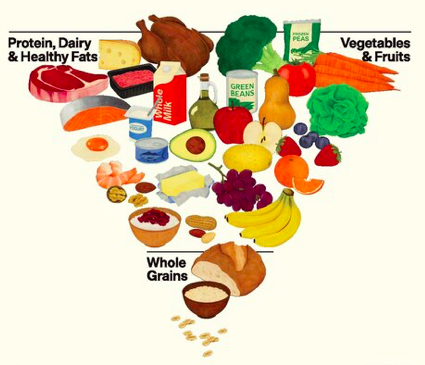 Producers are cheering the USDA’s new “Dietary Guidelines for Americans”, which encourages dairy protein consumption. Consumer demand is already strong for dairy products high in protein, like cheese and yogurt.
However, demand is booming for products like “athletic milk” with even higher protein and extended shelf life.
If milk protein yield is the frontier of dairy nutrition, how much can diet formulation help?
 “Dietary means to support or improve milk protein yield focuses on rumen microbial protein, rumen undegradable protein, and supplementation with rumen-protected amino acids,” says Dr. Luiz Ferraretto of the University of Wisconsin.
In a previous Research Note, Wisconsin’s Dr. Sebastian Arriola Apelo observed that methionine (Met), lysine (Lys), histidine (His), isoleucine (Ile), and leucine (Leu) have independent, additive effects on milk protein yield, as described in NASEM 2021.
However, while rumen-protected Met and Lys are available commercially, the probable next amino acid with added milk protein yield potential — RP-His — remains an experimental product. Industry sources suggest that histidine’s current high cost appears to be slowing its commercial feed-grade application.
Also, recent research points to the need for “well-validated methods” to assess post-rumen bioavailability for amino acid products, which use a variety of rumen-protection technologies.
In any case, Ferraretto says, optimizing milk protein starts with enhancing rumen microbial protein, which requires:
- Adequate rumen degradable protein (RDP, eg. soybean meal, cottonseed meal, forages), typically around 10% of dry matter
- Limiting non-protein nitrogen (NPN, eg. urea) to 0.3-0.4 lb per cow per day
- Adequate rumen degradable carbohydrates to support microbial growth
- Stable pH with balanced starch and fiber
- Management for cow comfort, feed access, consistent feed availability to support feed intake
At the same time, Ferraretto says, RDP must balance with rumen undegradable protein (RUP), which supplies amino acids directly to the small intestine. RUP sources with high digestibility like expeller soybean meal, distillers (DDGS), and blood meal typically comprise 6.2-7.5% of diet dry matter.
In addition, Ferraretto advises regularly testing forages and feedstuffs for nutrient content and digestibility. Also, monitoring milk urea nitrogen (MUN) keeps tabs on protein supply and efficiency, both of which affect milk protein concentration: “High MUN values with total mixed rations typically occur in protein-rich diets with limited starch.” Here’s a bulletin with more detail.
Like milk fat, milk protein is subject to seasonal trends — lower yields in summer and higher in winter. In the Tri-State area — mostly in USDA’s Mideast Region (FO 33) — milk protein averaged 3.32% in 2025. Meanwhile, butterfat averaged 4.30%. Both values have been rising year-on-year, but at present dairy processors are more protein hungry.
Questions?
Email FeedInsight 4Dairy