


Research Note
2025’s Top Research Notes
Dairy nutrition consultants in Ohio, Michigan, Indiana, and several other states have voted with their clicks throughout 2025, identifying the five most popular and potentially useful Research Notes.
These monthly Research Notes consist of concise, original, exclusive interviews with leading university dairy researchers. Here are our subscribers’ Top 5 choices from 2025, which can help inform dairy diet design and formulation decisions in 2026 and beyond.
Designer Butter:
Diet Formulation to Make Like Irish
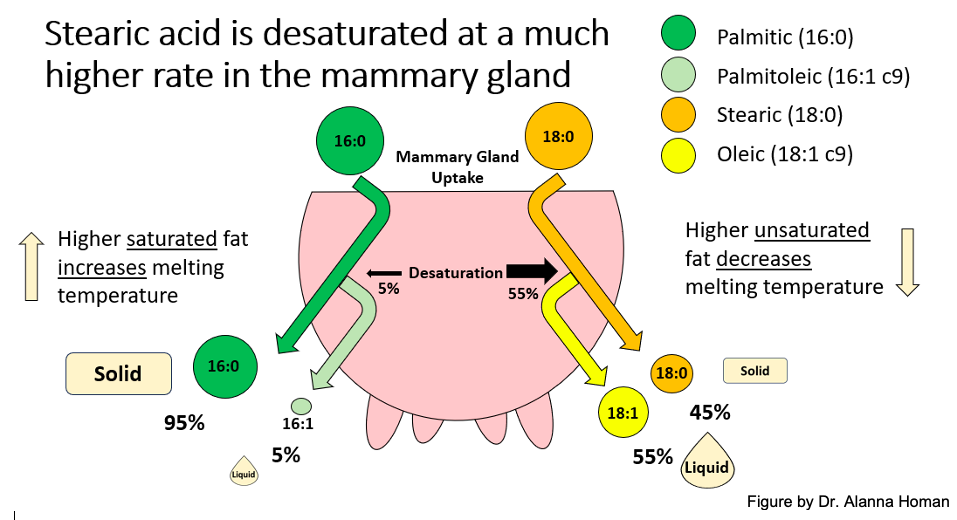
“Milk is the ultimate commodity,” says Penn State’s Dr. Kevin Harvatine. “Yet today, by adjusting the diet, we can adjust milk components to achieve specific targets, in effect ‘segmenting’ the commodity into specialized products to meet the demands of specific markets.”
This approach can help U.S. butter makers capture market share from higher priced imported European products, including a certain favorite premium butter from Ireland.
Extreme Weight Cycling:
Body Condition, Parities, Immune Risk
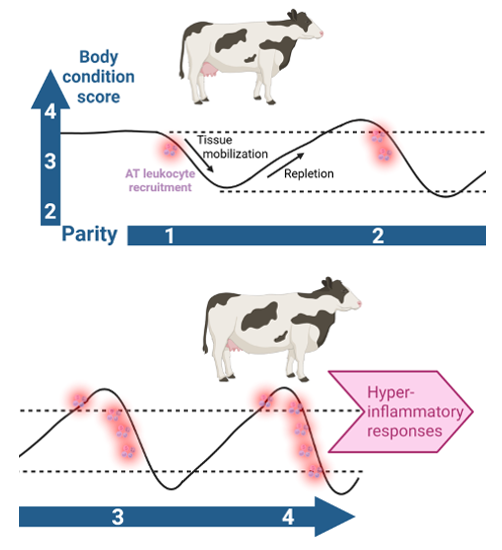
Can diet management reduce extreme weight cycling and its potential negative impacts on immune cell activity in adipose tissue (AT) as well as health and fertility in later parities?
“Given the numerous AT-immune cell connections,” says Michigan State’s Dr. Barry Bradford, “we can hypothesize that inflamed AT promotes excessive lipolysis and systemic inflammation in response to either metabolic or infectious disease challenges, which ultimately makes the cow less resilient to these disruptions and increasingly so with subsequent parities.”
Prepartum Window:
Preventing Postpartum Mineral Related Problems
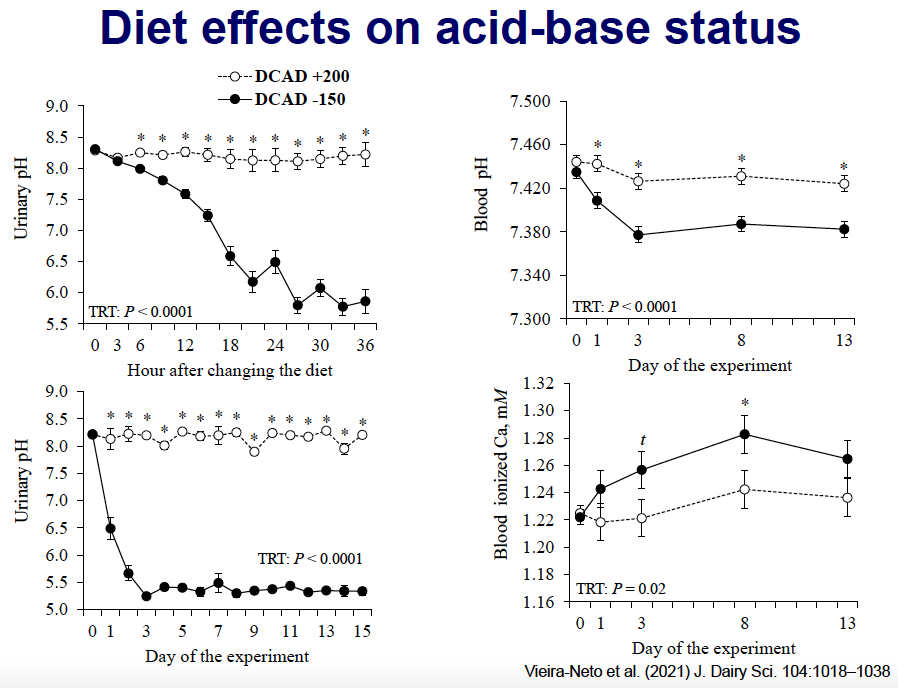 Decades of research and experience support feeding acidogenic diets prior to calving in order to reduce the risk of hypocalcemia and improve calcium homeostasis. Even so, subclinical hypocalcemia remains prevalent, notes Dr. José Santos at the University of Florida, affecting up to 60% of dairy cows in the first three days postpartum.
Data indicate prepartum parous cows should be fed acidogenic diets planned for the last 21 days of gestation, Santos says, pointing to a detailed list of recommendations.
Ca-Mg Supplements:
Solubility, Particle Size, Source

“For calcium-magnesium carbonate products, the physical source of the raw material is important,” says Iowa State’s Dr. Jesse Goff.
“The raw material mineral deposits — limestone and dolomite — are naturally occurring features of diverse, ancient ecosystems. Their crystal structure and impurities vary depending on location, affecting their capacity for hydration and solubility in the rumen. This is also true for magnesium oxide products.”
Goff offers a three-point guide to identifying cost-effective Ca-Mg carbonate products.
Nitrogen: N-Efficiency Makes a Difference
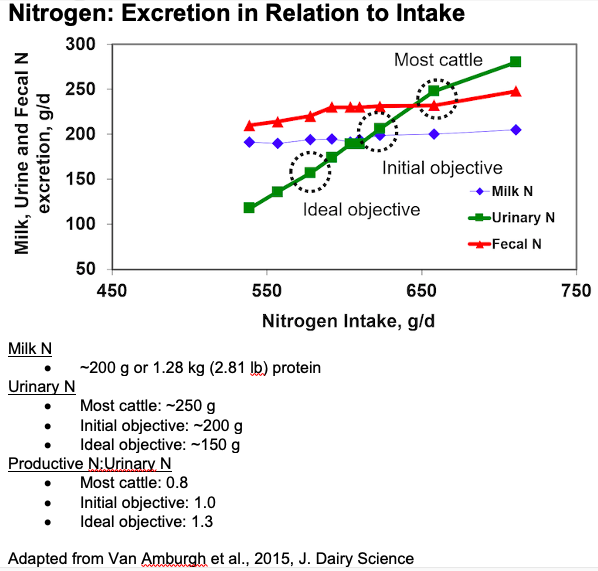 Besides reducing pollution and being a good neighbor, why care about nitrogen efficiency in the dairy cow?
Cornell’s Dr. Mike Van Amburgh says improving dietary N-efficiency may also offer production benefits:
- Balancing rumen function at a lower level of blood urea N (BUN)
- Potential to safely lower milk urea N (MUN) to 7-8 mg/dL while maintaining or increasing milk protein
Resources for Dairy Producers
Find research updates and technical information available to dairy producers and others in our public Resources.
Questions?
Email FeedInsight 4Dairy